
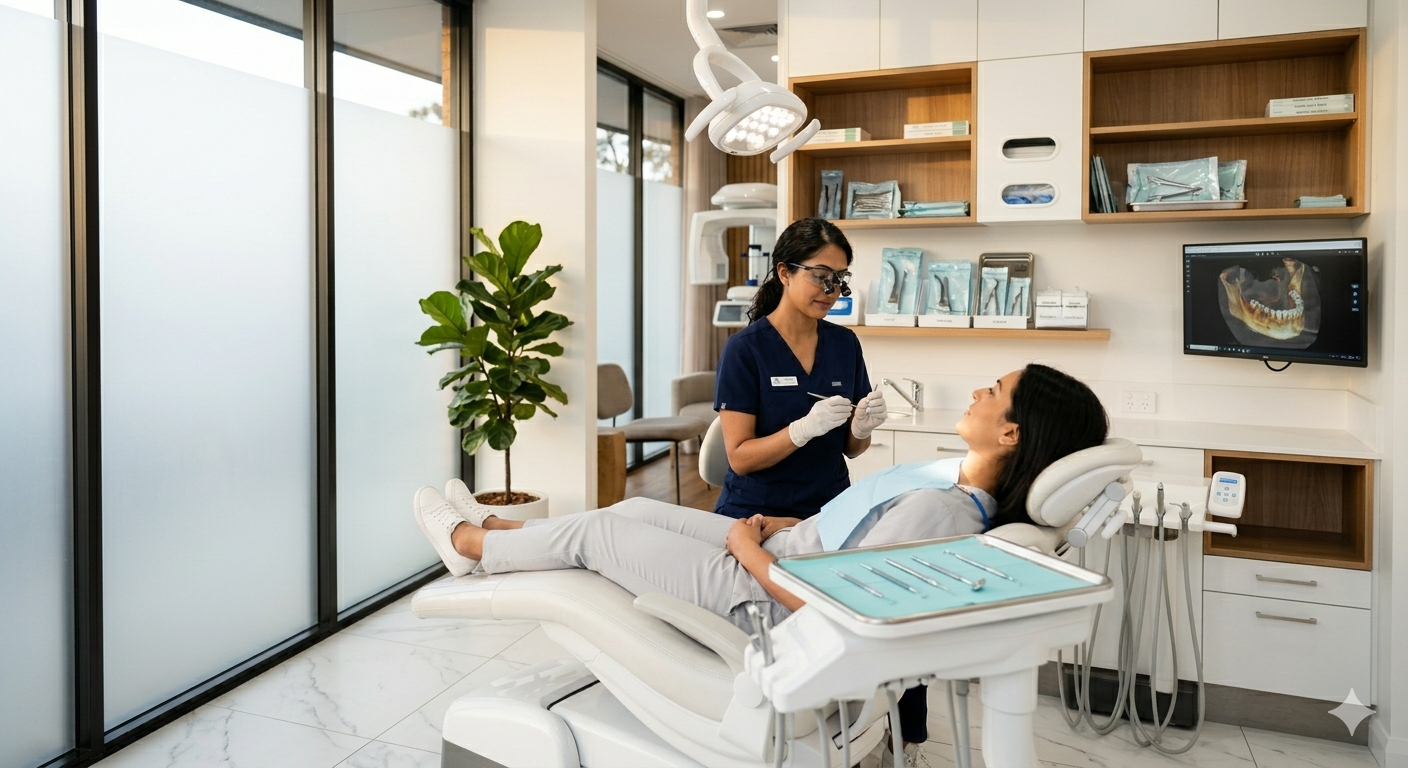
Many people in Deltona, Florida, seek dental implants as a reliable solution for missing teeth. Dental implants are titanium posts surgically placed into the jawbone, providing a strong and natural-looking foundation for replacement teeth. This option offers better comfort and durability compared to dentures or bridges.
Patients appreciate dental implants for their ability to restore chewing function and improve confidence in their smile. Deltona’s dental clinics use modern technology to ensure the implant process is as smooth and comfortable as possible.
Choosing dental implants can feel overwhelming, but local dentists focus on personalized care and clear communication. If someone in Deltona wants to explore whether implants are the right choice, speaking with a trusted dental professional is a helpful next step.
What Are Dental Implants?
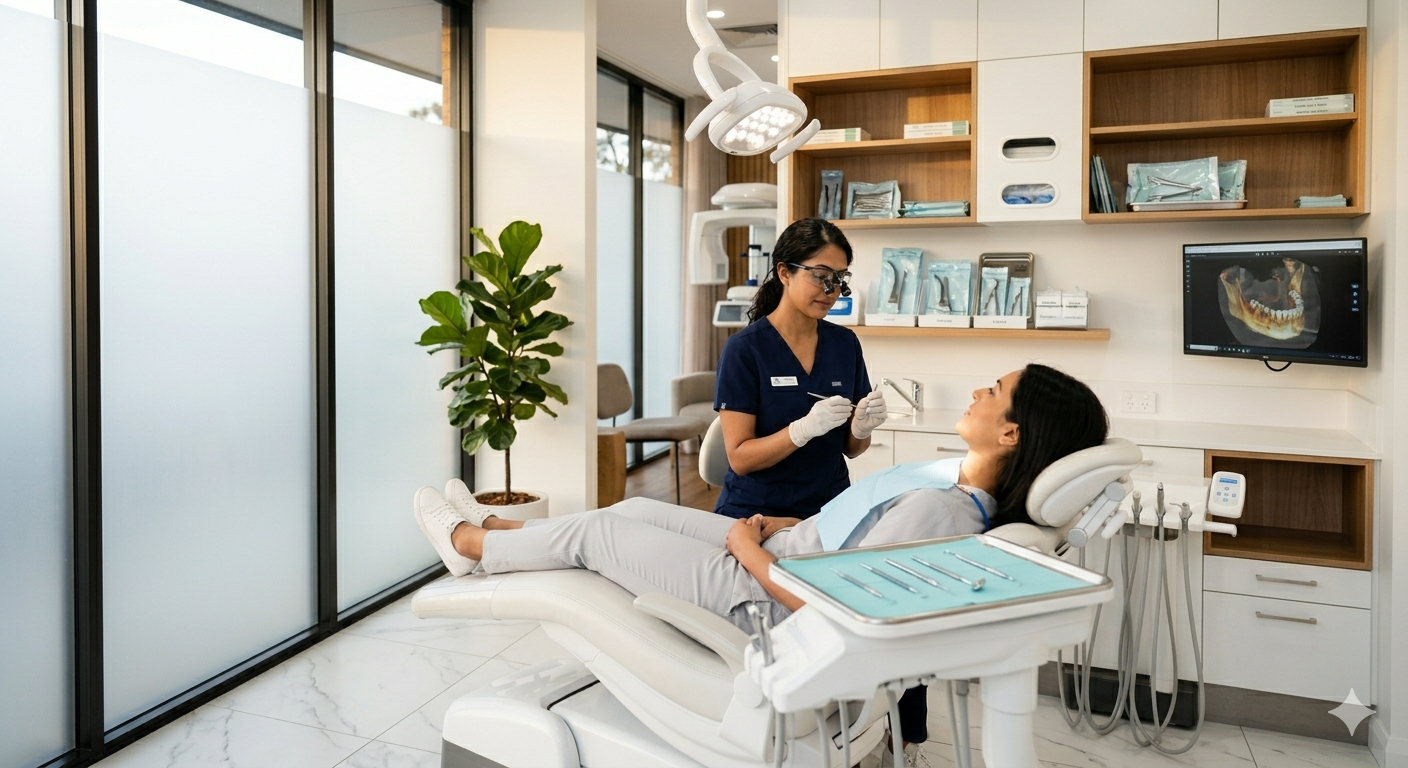
Dental implants are a modern solution designed to replace missing teeth with durable, natural-looking restorations. They integrate directly with the jawbone, providing a stable foundation for new teeth. Understanding how they work, their types, and the advantages over other options helps patients make informed decisions about their dental health.
How Dental Implants Work
Dental implants consist of three main parts: the implant post, the abutment, and the crown. The implant post is a small titanium screw surgically placed into the jawbone, acting like a natural tooth root. Over several months, the bone fuses with the implant in a process called osseointegration, creating a strong bond.
Once healed, the abutment connects the post to the custom-made crown. This crown sits above the gum line and looks, feels, and functions like a natural tooth. The stability of implants prevents the slipping common with dentures, making eating and speaking easier.
Types of Dental Implants
There are several types of dental implants to suit different needs:
- Endosteal implants: The most common type, placed directly into the jawbone.
- Subperiosteal implants: Placed on top of the jawbone under the gum, used when bone height is insufficient.
- Zygomatic implants: Anchored in the cheekbone for patients with severe upper jaw bone loss.
Implants can also support single teeth, bridges, or full dentures, offering versatile solutions based on the number of missing teeth and jawbone health.
Benefits Compared to Other Options
Dental implants offer several advantages over traditional dentures and bridges. They do not rely on adjacent teeth for support, preserving healthy tooth structure. Implants help maintain jawbone density, which typically diminishes after tooth loss.
Compared to dentures, implants provide better comfort, stability, and chewing efficiency. They eliminate the need for adhesives and reduce gum irritation. Furthermore, implants can last many years with proper care, making them a cost-effective long-term choice for tooth replacement.
Dental Implant Procedure in Deltona, Florida
Getting dental implants involves a few important stages, each designed to ensure the best fit and comfort for the patient. From preparation and surgery to healing, every step is carefully planned and executed by local specialists in Deltona.
Step-by-Step Treatment Process
The implant journey usually begins with a thorough dental exam, including X-rays or 3D scans. This helps the dentist evaluate bone health and create a personalized treatment plan.
Next, the dental implant—a small titanium post—is surgically placed into the jawbone. Over the next 3 to 6 months, the bone gradually fuses with the implant, a process called osseointegration.
Once fully integrated, an abutment is attached to connect the implant to the dental crown. Finally, the permanent crown is placed, restoring function and appearance. Each phase is spaced out to promote healing and long-term success.
What to Expect During Surgery
Before surgery, local anesthesia is applied to numb the area. Sedation options may also be offered to keep patients comfortable and relaxed.
During the procedure, the dentist makes a small incision in the gum to expose the jawbone and places the implant precisely. The gum is then stitched closed to protect the site.
The surgery itself usually lasts about 1 to 2 hours, depending on the number of implants. Most patients experience minimal discomfort, which can be managed with over-the-counter pain relievers.
Recovery Timeline
After surgery, some swelling and mild discomfort for a few days are normal. Cold compresses and soft foods help ease symptoms during this phase.
Healing and bone integration typically take 3 to 6 months. Regular checkups allow the dentist to monitor progress and ensure the implant is stable.
Once healed, the final restoration is placed, and normal eating and oral care can resume. With proper care, dental implants in Deltona offer reliable, long-lasting results.
Are You a Candidate for Dental Implants?
Dental implants are a reliable solution for many, but certain oral health factors greatly influence success. Bone density, gum health, and overall medical conditions all play important roles in determining candidacy.
Ideal Oral Health Conditions
Candidates for dental implants should have sufficient jawbone density. This is essential because the implant needs strong bone to anchor securely. Healthy gums free from infection are equally important to support healing after the procedure.
Good overall oral hygiene and the absence of untreated gum disease improve implant longevity. Conditions like bruxism (teeth grinding) may require management before implants are placed. Regular dental visits ensure the mouth stays in the best shape for this treatment.
Who Might Not Be Eligible
People with uncontrolled diabetes or autoimmune diseases may face healing challenges after implant surgery. Smokers are typically at higher risk for implant failure due to slower bone healing and increased gum disease.
Significant bone loss might prevent successful implant placement. In such cases, additional procedures like bone grafting may be necessary before an implant can be considered. Young patients with incomplete jaw growth usually must wait until full development.
Alternative Solutions
For those who cannot have implants right away or at all, dentures and dental bridges offer common alternatives. Dentures can be removable or implant-supported but require regular adjustment.
Bridges use adjacent natural teeth to fill gaps but may affect healthy teeth long-term. Advances in partial dentures provide more comfort and better chewing function than before, making them viable options when implants aren’t possible.
Dental Implant Costs and Financing in Deltona
Understanding dental implant costs and the financing options available can help patients plan their treatment better. Costs vary based on individual needs, while payment methods can ease budgeting. Knowing how to maximize the value of implants ensures a wise investment in oral health.
Factors Affecting Cost
Dental implant prices in Deltona typically range from $1,500 to over $3,000 per implant. The total cost depends on factors such as the type of implant, the need for bone grafting, and additional procedures like sinus lifts.
Location matters too. Clinics with advanced technology or more experienced specialists may charge higher fees, but this can mean better outcomes.
Materials used also influence cost. Titanium implants are common, but zirconia implants cost more due to their durability and appearance. The complexity of the case affects overall pricing, especially if multiple implants or restorations like crowns and bridges are involved.
Insurance and Payment Options
Most dental insurance plans in Deltona don’t fully cover implants but might help with some parts, like the crown or consultation fees. Patients should verify their benefits early to avoid surprises.
Many local dentists offer flexible payment plans, including monthly installments and low or no interest financing through third-party lenders. Some offices accept CareCredit or similar healthcare credit cards.
Cash payments often come with discounts. It’s useful for patients to ask about any promotions or package deals that combine implant procedures with exams or x-rays.
Maximizing Your Investment
Regular maintenance after implant placement keeps them lasting longer, so following your dentist’s care instructions is crucial. Avoiding tobacco and attending routine check-ups reduces risks of complications.
Choosing a skilled implant dentist in Deltona may cost more upfront but can prevent costly repairs down the road. Ask about the dentist’s experience and success rates.
Lastly, look into available warranties or guarantees on the implant and components. A trustworthy provider will stand behind their work, offering peace of mind alongside quality care.
Choosing the Right Dental Implant Specialist in Deltona, Florida
Finding a skilled dental implant specialist means balancing experience, technology, and patient care. The right expert not only performs the procedure with precision but also makes you feel comfortable and informed every step of the way.
Expertise and Credentials to Look For
When selecting a dental implant specialist, verifying education and professional background is crucial. Look for board certification in implant dentistry or related specialties like periodontics or oral surgery. These credentials ensure advanced training specifically in implant procedures.
Experience matters. A specialist with many successful cases understands how to handle variations in bone structure and potential complications. Ask about the number of implants placed annually to gauge their familiarity.
Dental professionals who stay current with continuing education are more likely to offer the latest treatments and techniques. Patient reviews and before-and-after photos provide insight into their skill and patient satisfaction.
Importance of Advanced Technology
Modern dental implants rely on precise imaging and planning tools to improve success rates. Choose a specialist who uses 3D cone beam CT scans for detailed views of your jawbone. This technology allows customized treatment plans and safer implant placement.
Computer-guided surgery is another key feature. It minimizes invasiveness and reduces healing time by mapping the exact position for implants before surgery.
Digital impressions replace messy molds, offering more comfort and accuracy. These innovations not only create better outcomes but also ensure a smoother, more predictable experience for patients.
Building Trust and Comfort With Your Dental Team
Dental implant procedures can feel intimidating, so good communication is vital. A specialist who listens to your concerns and explains each step clearly helps ease anxiety.
Friendly office staff and a calm environment set the tone from the first visit. Some specialists offer sedation options, making treatment even more comfortable.
Trust builds when your questions are welcomed and you feel part of the decision-making process. This approach turns dental implant treatment into a positive, confidence-boosting experience.
Caring for Your Dental Implants
Taking good care of dental implants in Deltona, Florida, means following a consistent routine and knowing how to protect your investment. Proper hygiene, regular dental visits, and attention to early warning signs are key to keeping implants healthy and lasting for years.
Daily Care Basics
Daily cleaning for dental implants is similar to natural teeth but requires gentle attention. Brushing twice a day with a soft-bristled toothbrush removes plaque without damaging the implant or gums. Using a low-abrasive toothpaste helps avoid scratches on the implant surface.
Flossing once daily is essential to clear debris between the implant and nearby teeth. Special implant floss or interdental brushes can make this easier, especially in tight spaces. Rinsing with an antibacterial mouthwash helps reduce bacteria that cause gum inflammation around the implant.
Eating a balanced diet that limits sugary and acidic foods supports gum health and implant stability. Avoiding hard or sticky foods prevents unnecessary pressure or damage, especially during the initial healing phase.
Long-Term Maintenance Tips
Regular dental checkups every 6 months enable professional cleaning and early detection of issues around implants. Dentists in Deltona often use special instruments that won’t harm implant surfaces to remove hardened plaque (calculus).
X-rays may be taken periodically to check the bone level and attachment around the implant. Maintaining good overall health, including controlling conditions like diabetes, contributes to implant longevity.
If a patient smokes, quitting is strongly advised since tobacco use increases the risk of implant failure. Consistency with daily care habits over months and years solidifies implant success and comfort.
Common Issues and How to Prevent Them
Peri-implantitis, an infection around the implant, is the most common problem and can be prevented by good hygiene and regular dental visits. If swelling, redness, or bleeding occurs around the implant, contacting the dentist promptly is crucial.
Mechanical problems like loose crowns or screws can happen but are usually repaired quickly with professional help. Avoid using implants to open packages or bite unusually hard objects to reduce wear and tear.
Monitoring any unusual discomfort or changes in implant feel helps catch problems early. Patients should speak openly with their Deltona dental team anytime they notice issues or have questions.
Life After Dental Implants
Adjusting to dental implants involves a short transition period where patients get used to the new feel and function in their mouth. Eating habits, speech, and confidence often improve steadily as healing progresses and implants settle securely.
Adjusting to Your New Smile
At first, the sensation of dental implants can feel different from natural teeth. Some mild discomfort or sensitivity is normal but usually fades within weeks. Patients should follow their dentist’s advice on oral hygiene and avoid hard or sticky foods during recovery.
Over time, implants integrate with the jawbone, becoming stable and comfortable. This stability allows patients to return to daily routines without worrying about shifting or discomfort. Regular check-ups help monitor implant health and address any concerns quickly.
Impact on Eating and Speaking
Dental implants restore much of the chewing ability lost with missing teeth. Patients can eat a wider variety of foods, including crunchy vegetables and lean proteins, without pain or difficulty. This helps maintain a balanced diet and better nutrition.
Speech often improves as implants provide support for the lips and tongue, which aids clear pronunciation. Unlike dentures, implants don’t slip, reducing slurred or mumbled speech. Those adapting should practice reading aloud or speaking in front of a mirror if they notice minor changes.
Boosting Confidence and Quality of Life
A secure, natural-looking smile can enhance self-esteem and encourage social interactions. Many patients feel more comfortable laughing, smiling, and speaking in public after implants.
The long-term durability of implants also reduces dental worries. They help maintain facial structure, preventing the sunken cheeks that happen with tooth loss. This restoration often leads to a more youthful appearance and an improved overall sense of well-being.
Next Steps: Book a Consultation in Deltona
Booking a consultation is the first important step toward getting dental implants in Deltona. During this visit, the dentist will evaluate your oral health, discuss your goals, and explain what to expect throughout the process.
Many patients appreciate how the Deltona dental office creates a welcoming, calm environment. The team takes time to answer questions, helping patients feel confident and comfortable before moving forward.
Here’s what typically happens during the consultation:
| Step | What to Expect |
|---|---|
| Oral Examination | Checking bone health and gum condition |
| X-rays or Scans | Detailed images to plan implant placement |
| Treatment Discussion | Options explained, including timing & cost |
| Patient Questions | Addressing any concerns or worries |
They will also review your medical history to ensure dental implants are a safe option. If you have specific needs or fears, the dentist can tailor the treatment plan accordingly.
Encourage anyone considering implants to schedule this appointment soon. It’s a simple, no-pressure way to get all the information needed and start on the path to a healthier smile.
If you live in or near Deltona, calling the local dental office or booking online is quick and easy. Taking this step shows commitment to your oral health and personal well-being.
Frequently Asked Questions
Dental implants require careful planning and healing, and the process varies based on individual health and dental history. Comfort during surgery, timing, and long-term care all play important roles in a successful outcome.
Am I a good candidate for implants if I have gum disease or have been missing teeth for a long time?
Patients with gum disease need treatment to resolve infection before implants are placed. Those missing teeth for years might require bone grafting to support implants securely. A thorough exam helps determine readiness.
How long does the implant process usually take from start to finish, and how many visits should I expect?
The entire implant process often spans several months, from initial consultation to final crown placement. Expect around 3 to 6 visits, including surgery, healing check-ins, and prosthetic fitting.
What does implant surgery feel like, and what options are there to keep me comfortable during treatment?
Implant surgery is typically done with local anesthesia, so patients feel minimal discomfort. Sedation options like nitrous oxide or oral sedation are available for extra relaxation during the procedure.
Can dental implants help improve my bite and make chewing feel more natural again?
Yes, implants anchor securely in the jawbone, restoring stable bite function. Many patients notice improved chewing efficiency and comfort compared to dentures or missing teeth.
If I have an autoimmune condition, what extra steps might be needed to plan implants safely?
Autoimmune conditions may slow healing or increase infection risk. Doctors often consult with your physician and may take extra precautions before proceeding, such as adjusting medication timing.
How do I care for implants day to day, and what kind of checkups will help them last?
Daily brushing and flossing around implants keep gums healthy. Routine dental visits every 6 months include professional cleanings and exams to monitor implant stability and gum health.