
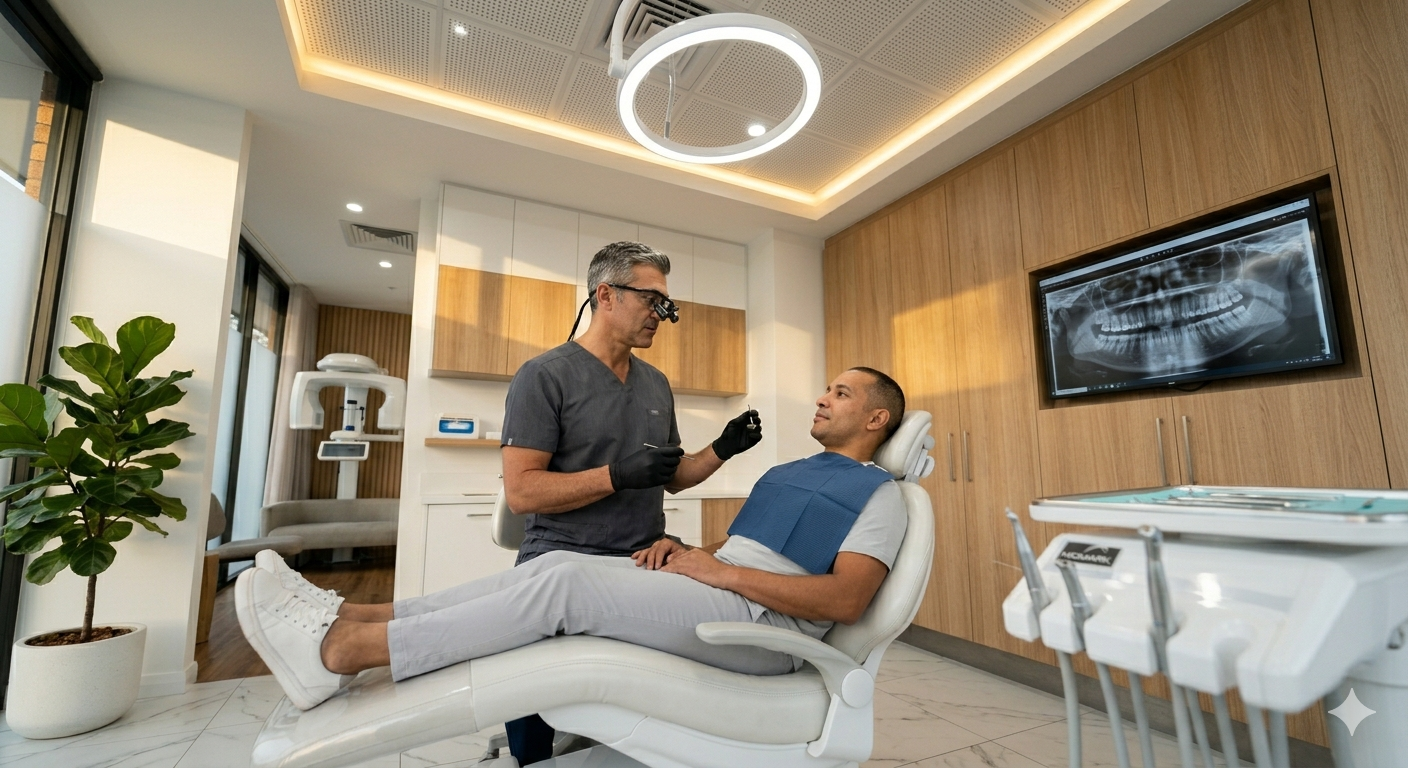
Sleep apnea can seriously disrupt rest and overall health, but effective treatments are available in Deltona, FL. Local specialists offer modern solutions tailored to each patient’s needs, making it easier to breathe freely and sleep soundly through the night.
Many people don’t realize how common sleep apnea is or that it can be managed without major lifestyle changes. From comfortable oral devices to advanced CPAP machines, Deltona clinics focus on patient comfort and clear results.
Understanding the right treatment options can feel overwhelming, but expert care in Deltona helps simplify the process. Those affected are encouraged to seek a personalized evaluation to find the best path toward better sleep and health.
Understanding Sleep Apnea
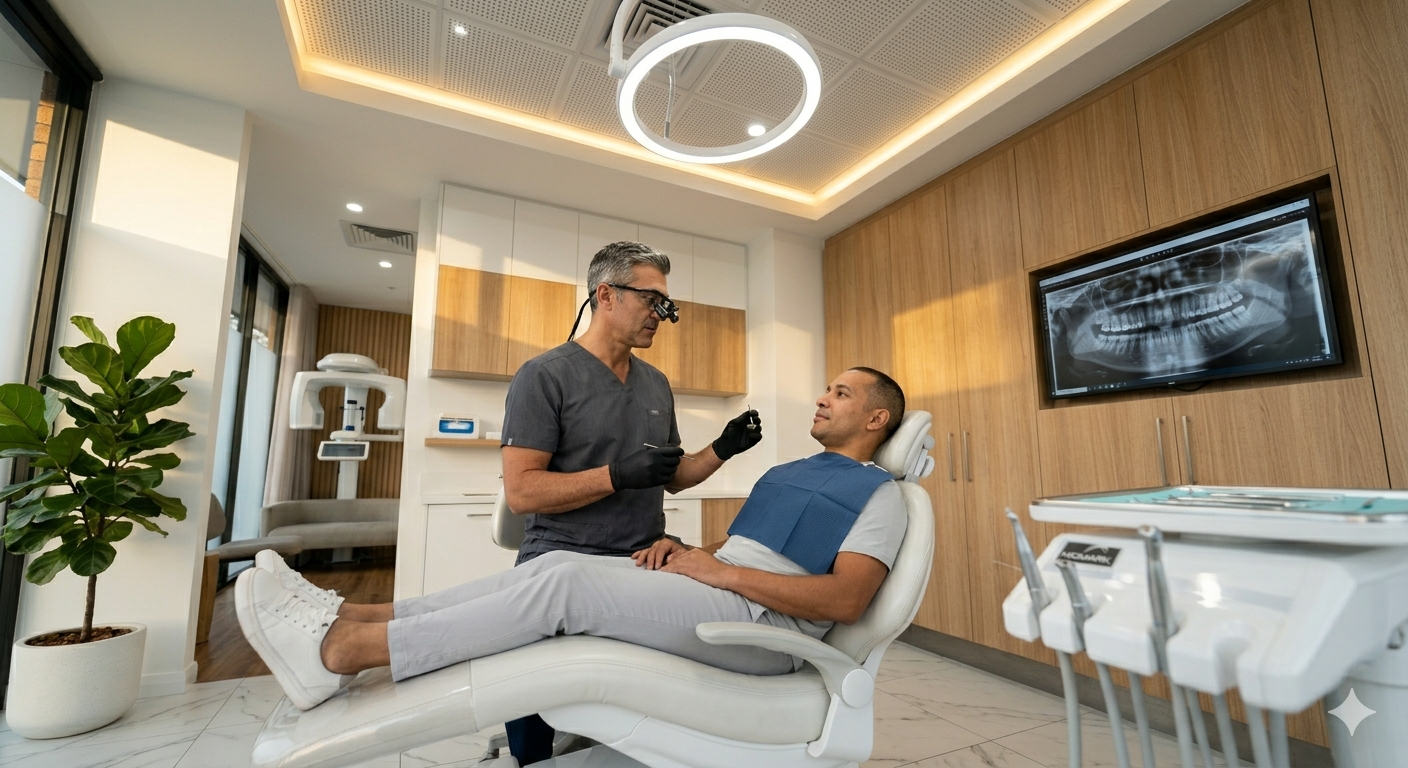
Sleep apnea is a condition that disrupts normal breathing during sleep. It can have serious effects on daily life and long-term health. Recognizing symptoms and knowing your risk factors helps guide effective treatment choices.
How Sleep Apnea Affects Your Health
Sleep apnea causes repeated pauses in breathing during sleep, which lowers oxygen levels. This can lead to daytime fatigue, difficulty concentrating, and mood changes. Over time, untreated sleep apnea raises the risk of high blood pressure, heart disease, stroke, and type 2 diabetes.
When breathing stops, the body briefly wakes to restart it, fragmenting sleep. This prevents reaching deep, restorative sleep stages. Poor sleep quality can weaken the immune system and increase accidents due to sleepiness.
Common Signs and Symptoms
People with sleep apnea often snore loudly and experience choking or gasping during sleep. They may wake up feeling unrefreshed even after a full night’s rest. Daytime symptoms include excessive sleepiness, morning headaches, irritability, and difficulty staying alert.
Other signs can include dry mouth upon waking and restless sleep. A bed partner might notice pauses in breathing or unusual movements. These clues are important for early detection and prompt treatment.
Risk Factors to Consider
Certain factors increase the likelihood of developing sleep apnea. These include being overweight, having a thick neck, or a narrow airway. Men are more commonly affected, but women’s risk rises after menopause.
Other risks include age (especially over 40), family history, smoking, alcohol use, and nasal congestion. Identifying these factors helps providers recommend personalized treatments that suit individual needs.
Diagnosis and Evaluation
The path to effective sleep apnea treatment starts with a clear understanding of the condition through detailed assessment. This involves a careful review of symptoms and medical history, followed by specialized testing to get a full picture of sleep patterns and breathing issues.
Initial Consultation Process
The first step usually involves meeting with a sleep specialist or a qualified healthcare provider in Deltona, FL. During this visit, the doctor reviews the patient’s medical history and discusses symptoms like loud snoring, daytime fatigue, and pauses in breathing during sleep. They may also look for risk factors such as obesity, high blood pressure, or family history.
Physical exams often focus on the nose, throat, and airway to identify any physical obstructions. Patients might be asked to complete questionnaires about their sleep habits and overall health. This information helps the provider decide if further testing is needed to confirm sleep apnea.
Sleep Studies and At-Home Testing
To diagnose sleep apnea, the specialist typically recommends a sleep study, known as polysomnography. This test monitors brain waves, oxygen levels, heart rate, and breathing during sleep. It’s usually done overnight at a sleep center in Deltona for accurate results.
For convenience, some patients can use at-home sleep testing kits. These portable devices record breathing patterns, oxygen saturation, and airflow in the comfort of the patient’s own bed. While at-home testing is less comprehensive, it is a useful screening tool for moderate to severe cases and can speed up diagnosis.
Modern Treatment Options in Deltona
Treating sleep apnea effectively involves several approaches tailored to each person’s needs. From devices that help keep airways open to simple lifestyle steps, options focus on improving comfort and quality of sleep.
Oral Appliance Therapy
Oral appliance therapy uses custom-fitted devices worn during sleep to gently reposition the jaw and tongue. This helps keep the airway open and reduces the interruptions in breathing that characterize sleep apnea. Patients in Deltona often find these appliances less intrusive than other devices.
These appliances are designed by dental professionals and adjusted for a comfortable fit. They are a good option for those with mild to moderate sleep apnea or those who can’t tolerate other masks. Regular follow-ups ensure the device remains effective and comfortable.
CPAP Devices
Continuous Positive Airway Pressure (CPAP) is a common treatment that delivers steady air pressure through a mask to keep airways open. In Deltona, many patients rely on CPAP devices for moderate to severe sleep apnea.
CPAP machines come with various mask types to suit personal preferences, including nasal pillows and full-face masks. The device settings are usually personalized for maximum effectiveness. Patient education focuses on mask fit and machine maintenance to improve comfort and compliance.
Lifestyle Changes for Relief
Lifestyle changes can significantly complement medical treatments. Weight management, quitting smoking, and avoiding alcohol before bedtime are key practices often recommended in Deltona.
Establishing a consistent sleep schedule and sleeping on one’s side can reduce airway obstruction. These habits don’t replace devices but boost their effectiveness. Patients find combining lifestyle adjustments with therapy supports better, more restful nights.
Choosing the Right Solution
Finding the best approach to treat sleep apnea involves understanding individual needs and carefully weighing options. It’s important to focus on comfort, effectiveness, and lifestyle fit to ensure long-term success.
Personalized Treatment Planning
Each patient’s sleep apnea is unique, so treatment should be tailored. A dental professional in Deltona will evaluate factors like the severity of apnea, the patient’s jaw structure, and overall health. Options may range from custom oral appliances to referral for more advanced therapies.
A thorough examination helps identify the right device or procedure. For example, oral appliances that reposition the jaw can be highly effective for mild to moderate apnea. The key is creating a plan that fits daily life and improves sleep quality without causing discomfort.
Factors to Weigh with Your Dentist
When discussing treatment, patients should consider comfort, ease of use, and potential side effects. For instance, some devices may cause dry mouth or jaw soreness initially, so follow-up visits are crucial to make necessary adjustments.
Cost and insurance coverage are also important. Dentists will explain what options fit within budget constraints while still providing effective results. Patients should feel confident asking questions about maintenance, durability, and how each solution affects their daily routine.
Making an informed choice involves open communication with a trusted Deltona dental provider who understands both dental health and sleep apnea challenges.
Patient Experience and Comfort
Navigating treatment for sleep apnea in Deltona, FL involves understanding what happens during care and how to manage the financial aspects smoothly. Comfort and clarity during each step help patients feel confident and supported.
What to Expect During Treatment
Patients begin with a thorough evaluation, including a sleep study to identify apnea severity. From there, treatment options like CPAP machines or custom oral appliances are discussed.
The clinic prioritizes fitting devices comfortably to encourage consistent use. Follow-up visits monitor progress and adjust equipment as needed. Many find gradual acclimation tips helpful, such as wearing the device during short naps before bedtime.
Technicians and specialists maintain open communication, addressing concerns early on to minimize discomfort. This personalized approach eases the transition to better sleep habits and treatment adherence.
Managing Cost and Insurance
Treatment cost varies based on the device and required follow-ups. Most insurance plans in Deltona cover parts of the treatment, especially CPAP therapy. Patients are encouraged to verify benefits beforehand.
Providers often offer payment plans or financial counseling to ease upfront expenses. Clear explanations of costs help avoid surprises, including whether dental visits or sleep studies are billed separately.
By understanding insurance policies and available support, patients can focus on treatment without undue financial stress. Transparent billing and assistance options make navigating costs more manageable.
Benefits of Early Intervention
Treating sleep apnea early can make a noticeable difference in a person’s overall health and daily life. When managed sooner rather than later, it helps reduce the risk of complications like heart problems, high blood pressure, and daytime fatigue. This means patients can enjoy better sleep without the ongoing worries that untreated sleep apnea can bring.
Early intervention often leads to more straightforward treatment options. For example, mild to moderate cases might respond well to simple lifestyle changes or oral appliances. These solutions are less invasive and tend to be more comfortable, especially compared to waiting until the condition worsens.
Patients who seek help early also experience improved daytime alertness and mood. Better sleep quality supports concentration, memory, and energy levels, making everyday activities easier and safer. It can also reduce irritability or feelings of depression linked to poor rest.
Key benefits include:
- Reduced risk of serious health issues
- More treatment choices with less discomfort
- Enhanced quality of life and daily functioning
Starting treatment promptly often means fewer visits and adjustments, streamlining the path back to restful nights.
If someone suspects they have sleep apnea, consulting a trusted specialist in Deltona can lead to timely support and better management options.
Finding a Trusted Dental Partner in Deltona
Choosing the right dental partner for sleep apnea treatment in Deltona is key. Patients benefit when their dentist understands both the condition and their unique needs. Look for a practice that listens and explains treatment options clearly without rushing.
Comfort matters. A trusted dental provider in Deltona will offer modern, custom-made oral appliances designed for restful sleep. These devices fit well and are easy to wear, helping patients feel confident about their treatment.
Check for experience with sleep apnea therapy, as well as positive patient feedback. Friendly staff who prioritize patient comfort and follow-up care can make all the difference in the treatment journey.
Here’s a simple checklist to consider:
- Board-certified or experienced in sleep apnea treatment
- Offers personalized consultations
- Transparent about costs and insurance
- Provides ongoing support after appliance fitting
Deltona residents should feel welcome to ask questions and discuss concerns openly. A good dental partner will guide them every step of the way, ensuring they’re comfortable and informed.
Next Steps Toward Better Sleep
If someone suspects they have sleep apnea, the best move is to see a healthcare professional in Deltona who specializes in sleep disorders. They will likely recommend a sleep study to confirm the diagnosis and understand its severity. This test can be done at home or in a sleep center.
Once diagnosed, treatment options vary depending on the patient’s specific needs. Continuous Positive Airway Pressure (CPAP) machines are a common choice to keep airways open during sleep. For those who find CPAP uncomfortable, oral appliances designed by dental experts offer a more comfortable alternative by adjusting the jaw position.
Lifestyle changes can also make a big difference. These include maintaining a healthy weight, avoiding alcohol before bed, and sleeping on one’s side rather than the back. Each small step can help reduce symptoms and improve sleep quality.
Patients should remember to keep communication open with their care team. Regular follow-ups ensure treatments are working well. It also allows for adjustments if needed, focusing on both comfort and effectiveness.
Encouraging a consultation with a local Deltona dentist or sleep specialist is an easy first step. They can help guide any questions and tailor a treatment plan to improve rest and overall health.
Frequently Asked Questions
Sleep apnea can affect many aspects of daily life, like snoring and feeling tired during the day. Understanding how diagnosis and treatment work helps people feel more comfortable seeking care.
How do I know if my snoring and daytime fatigue could be sleep apnea?
Loud snoring combined with frequent daytime tiredness could signal sleep apnea. If you wake up gasping or choking, or if a partner notices pauses in your breathing, it’s important to get evaluated.
What kind of sleep study will I need, and can it be done at home?
A sleep study records breathing and oxygen levels overnight. Many clinics offer home sleep tests that are comfortable and convenient while still providing reliable results.
Should I start with my dentist or a sleep doctor if I suspect sleep apnea?
Starting with a sleep doctor is best for a formal diagnosis. Dentists trained in sleep apnea can then work with that diagnosis to provide treatments like oral appliances.
What’s the difference between CPAP therapy and a custom oral appliance, and which is more comfortable?
CPAP uses a machine to keep airways open. Oral appliances are custom-made devices worn in the mouth to adjust the jaw. Many find oral appliances more comfortable for daily use, but CPAP is often recommended for more severe cases.
What does the “4% rule” mean in sleep apnea testing, and why does it matter for my diagnosis?
The “4% rule” tracks drops in blood oxygen by 4% during sleep. It helps doctors determine the severity of sleep apnea and guides treatment decisions.
If I can’t tolerate CPAP, what modern, patient-friendly treatment options are available?
For those who struggle with CPAP, options include oral appliances, positional therapy, and newer devices like nerve stimulators. Many treatments focus on comfort without sacrificing effectiveness.