
You want a pediatric dentist in Deltona, FL who understands children, eases anxiety, and prevents dental problems before they start. A local pediatric practice that combines gentle care, child-focused techniques, and modern technology gives your child the best chance for healthy teeth and a positive dental experience.
You’ll learn what makes pediatric dentistry different from general dentistry, what to expect at first visits, and practical tips to keep your child’s smile healthy at home. Expect clear guidance on comfort strategies, common treatments, and how to choose the right practice so you can take confident next steps for your child’s oral health.
What Sets Pediatric Dentistry Apart
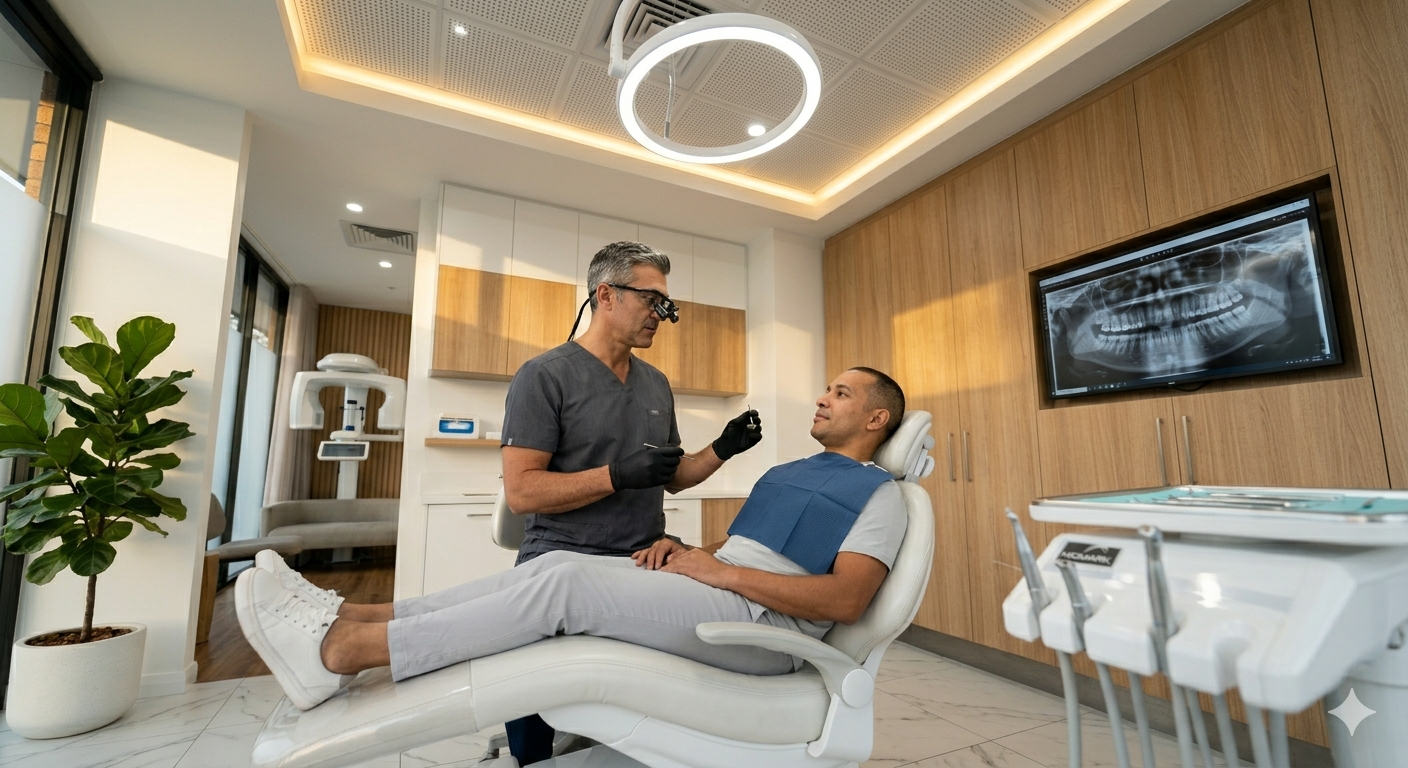
Pediatric dentistry focuses on growing mouths, behavior guidance, and prevention tailored for infants through teens. It combines specialized training, child-friendly strategies, and equipment sized and styled for young patients.
Training and Expertise
Pediatric dentists complete dental school plus a 2-3 year residency in child-specific care. They study growth and development of teeth and jaws, pediatric pharmacology, management of dental trauma, and treatment of early childhood caries. This training enables them to diagnose developmental issues like delayed eruption or malocclusion earlier than a general dentist might.
They also learn techniques in behavior guidance, working with fearful or developmentally delayed children. Certifications such as board eligibility or board certification in pediatric dentistry signal advanced competency. Parents can expect clinicians who understand medical conditions that affect oral health, such as autism, congenital heart defects, or diabetes, and who coordinate care with pediatricians when necessary.
Child-Centered Approach
The practice emphasizes emotional safety and positive dental experiences. Staff use age-appropriate language, tell-show-do demonstrations, and gradual desensitization to reduce anxiety during exams and procedures. Scheduling choices—short morning appointments or timed visits around nap schedules—help accommodate young children’s routines.
Communication extends to caregivers with clear, practical instructions: how to brush a toddler’s molars, when to start fluoride toothpaste, and dietary steps to reduce decay. The team also uses behavior plans and positive reinforcement like stickers or progress charts to motivate cooperation, making preventive care more likely to stick.
Specialized Equipment
Child-sized instruments and ergonomic chairs improve both comfort and access. Smaller mirrors, disposable pediatric brushes, and mini suction tips fit smaller mouths and reduce gagging. Operatory rooms often feature calming colors, toys, and distraction tools such as ceiling-mounted TVs or tablets to keep children still and relaxed during treatment.
Radiography uses lower-dose, sensor-specific techniques and protective shielding sized for children. In-office materials—fast-setting fillings, pediatric crowns, and silver diamine fluoride—offer minimally invasive options suited to primary teeth and limited attention spans. For more complex cases, the office maintains sedation protocols and works with anesthesiologists when general anesthesia is indicated.
First Visits: What Parents Can Expect
Parents will find clear steps to prepare, a friendly team introduction, calm and gentle exams, and age‑appropriate education tailored to their child’s needs. The office prioritizes comfort, preventive care, and practical guidance so families leave confident about next steps.
Preparing Your Child
Parents should schedule the first dental visit around the child’s first birthday or when the first tooth appears. Bring the child’s health history, a list of medications, and any previous feeding or sleep concerns to help the dentist assess risk factors for decay.
Use brief, positive language when talking about the visit: say “we’ll meet the tooth doctor” rather than “no cavities.” Pack a comfort item, favorite snack, and an extra set of clothes in case of spills or unexpected delays. Arrive 10–15 minutes early to complete paperwork and let the child acclimate to the waiting area.
If the child has special needs, call ahead to arrange extra time or sensory accommodations. Ask the office about parking, stroller storage, and whether siblings can attend the exam room to reduce surprises.
Introduction to the Dental Team
The front‑desk staff will confirm insurance, explain fees, and help complete registration forms. A pediatric dental assistant or hygienist often greets the child first to build rapport through gentle conversation and a smile.
The dentist introduces themselves by name and shows child‑friendly tools before the exam, explaining each item in simple words. This “show‑tell‑do” approach reduces fear and gives the child a sense of control.
Parents should expect the team to discuss feeding habits, fluoride exposure, and oral‑care routines. The staff will also outline the appointment flow, including how long the visit will take and when parents can ask questions.
Gentle Examinations
The exam focuses on comfort and tooth development rather than lengthy procedures. The dentist performs a visual inspection of teeth, gums, jaw, and bite, checking for early signs of decay, enamel defects, or developmental issues.
For very young children, the dentist may do an exam while the child sits on a parent’s lap to provide security. They use bright, child‑safe light and small instruments; X‑rays are taken only when clinically necessary and with protective measures.
If cleaning is appropriate, the hygienist uses a soft rubber cup and mild polishing paste rather than aggressive scraping. The team notes fluoride needs and may apply a topical varnish during the same visit if indicated.
Age-Appropriate Education
Education is specific to the child’s age, focusing on actionable steps parents can use at home. For infants, guidance centers on bottle use, avoiding sugary substances, and wiping gums after feedings.
For toddlers and preschoolers, the team demonstrates proper brushing with a soft‑bristled brush, recommends pea‑sized fluoride toothpaste, and suggests a brushing schedule tied to daily routines like after breakfast and before bed. They offer tips for managing resistance, such as using a two‑minute timer or a favorite song.
School‑age children receive instruction on flossing, balanced snacks for dental health, and what to expect from sealants or fluoride treatments. The office provides written care plans, recommended product lists, and follow‑up intervals so parents know exactly when to return or contact the team with concerns.
Preventive Care for Children’s Smiles
Preventive care focuses on practical steps that reduce cavities and protect enamel. Regular, simple treatments at the dental office and consistent habits at home keep teeth healthy and make dental visits easier for children.
Fluoride Treatments
Fluoride strengthens enamel and helps reverse very early decay by replenishing minerals lost to acids. In-office fluoride varnish is painted on teeth for about one minute; it sets quickly and is safe for most children. Providers typically recommend applications every three to six months based on the child’s cavity risk.
Topical fluoride complements daily use of fluoride toothpaste at home. For young children, parents should use a smear (pea-sized for ages 3–6) and supervise brushing to minimize swallowing. If a child drinks well water or has special medical needs, the dentist may suggest a different fluoride schedule or a prescription-strength gel.
Side effects are rare and usually mild—temporary white spots or stomach upset if swallowed in large amounts. The dental team evaluates fluoride exposure from all sources and tailors recommendations to each child’s age, diet, and cavity history.
Dental Sealants
Sealants are thin plastic coatings placed in the deep grooves of molars to block food and bacteria. The dentist or hygienist cleans and dries the tooth, applies a bonding agent, then paints the sealant; the whole process takes about 10–15 minutes per tooth and is painless.
Sealants reduce cavity risk on chewing surfaces by up to 80% in the first two years and continue to protect for several years with periodic checks. They work best on permanent first and second molars as soon as they erupt, usually between ages 6 and 14.
Maintenance is simple: the dental team inspects sealants at routine visits and repairs them if they chip. Insurance often covers sealants for children, but parents should confirm coverage with their plan to avoid surprises.
Routine Cleanings
Professional cleanings remove plaque and tartar that regular brushing cannot, lowering the risk of cavities and gum inflammation. During a cleaning, a hygienist uses small tools to scale teeth, polishes surfaces, and checks for early signs of decay or erosion.
Appointments typically last 30–45 minutes and include a quick oral exam and personalized home-care advice. For anxious children, offices may use child-friendly tools, visual explanation, and positive reinforcement to create a calm experience.
Hygienists also teach parents age-appropriate brushing and flossing techniques and recommend recall intervals—usually every six months, but more frequent visits may be needed for high-risk children. Regular cleanings support long-term oral health and make restorative work less likely.
Comfort and Anxiety Relief for Young Patients
The practice prioritizes making each visit calm, predictable, and reassuring for children and their caregivers. Staff use proven strategies to reduce fear and increase cooperation so treatments proceed smoothly.
Kid-Friendly Atmosphere
The reception and treatment areas feature child-scale furniture, bright but soothing colors, and a play corner stocked with age-appropriate toys and books. Visual cues—cartoon murals, dental-themed storyboards, and labeled treatment zones—help children understand the visit sequence and reduce surprise.
Staff wear name badges with photos and use consistent greetings to build familiarity. Instruments are introduced slowly and shown to the child first; a mirror is used to let the child see tools and the dentist’s gentle actions. Music and ceiling-mounted televisions with curated programs create a familiar focus during procedures.
Clear signage and a quick orientation tour are offered for first visits so children know where they’ll sit, who will help them, and how long common procedures take. Caregivers are encouraged to stay in the operatory unless separation improves cooperation.
Behavior Guidance Techniques
Dentists trained in pediatric behavior guidance apply techniques like Tell-Show-Do, positive reinforcement, and distraction tailored to each child’s developmental level. Tell-Show-Do explains a step in simple words, Show demonstrates with a non-threatening tool, and Do executes the procedure—this sequence reduces unpredictability and builds trust.
Positive reinforcement uses specific praise (“Great job keeping your mouth open!”) and token systems for repeated visits. For anxious or very young patients, modeling (an older sibling or stuffed toy undergoing a mock exam) and desensitization visits gradually acclimate the child to sounds, tastes, and sensations.
When cooperation is limited, the team applies gentle protective stabilization only with caregiver consent and clear explanation. Communication remains concrete and calm, with visual schedules and brief choices (sit in the chair or on a booster) to increase the child’s sense of control.
Sedation Options
The clinic offers a tiered sedation protocol based on age, medical history, and procedure complexity: nitrous oxide, oral sedation, and, when necessary, referral for IV sedation or general anesthesia at a hospital setting. Nitrous oxide (laughing gas) provides conscious relaxation within minutes and wears off quickly, making it appropriate for fearful yet cooperative children.
Oral sedatives are prescribed at safe pediatric dosages and require pre-visit instructions, monitoring during treatment, and post-op recovery time at the office. The team conducts medical history reviews, airway assessments, and obtains informed consent before any sedative use.
For extensive treatment or special medical needs, the practice coordinates with pediatric anesthesiologists and hospital facilities to ensure continuous monitoring and emergency readiness. Parents receive clear pre- and post-procedure instructions, including fasting times, pickup arrangements, and signs to watch for after sedation.
Common Pediatric Dental Treatments
This section explains practical treatments that keep a child’s teeth healthy, reduce pain, and support proper jaw growth. It covers how dentists fix cavities, when to check for orthodontic issues, and how lost baby teeth are managed to protect permanent teeth.
Cavity Management
Pediatric dentists in Deltona use several targeted steps to treat tooth decay and prevent future cavities. For small cavities, they perform conservative resin (tooth-colored) fillings after removing decayed tissue; local anesthesia or nitrous oxide helps keep the child comfortable. For larger decay near the nerve, a pulpotomy (baby root canal) preserves the tooth’s root to maintain chewing function and space for the adult tooth.
They also offer preventive measures: fluoride varnish applied in-office strengthens enamel, and dental sealants placed on molar grooves block bacteria and food. The dentist will review brushing technique, recommend a fluoride toothpaste strength based on age, and suggest dietary changes—like limiting juice and sticky snacks—to lower recurrence risk.
Follow-up visits check restoration integrity and growth. Parents receive clear home-care instructions and a timeline for when to return if symptoms such as sensitivity or swelling appear.
Early Orthodontic Evaluation
An early orthodontic evaluation identifies bite or jaw problems that affect function and development. The American Association of Orthodontists recommends assessment by age 7; in Deltona clinics, pediatric dentists check molar relationships, crossbites, crowding, and habits such as thumb-sucking that can alter tooth position.
When an issue is found, options range from monitoring to interceptive treatment. Interceptive appliances—palatal expanders, partial braces, or habit-breaking devices—guide jaw growth and create space for incoming permanent teeth. Treating certain problems early can reduce complexity later and may shorten full orthodontic treatment.
The dentist explains timing, expected benefits, and next steps plainly. They coordinate with orthodontists when specialty care is needed and provide progress updates during mixed dentition (when baby and adult teeth coexist).
Space Maintainers
Space maintainers prevent shifting after premature loss of baby teeth, preserving room for permanent teeth. If a primary molar is lost early due to decay or trauma, the dentist typically recommends a fixed or removable space maintainer tailored to the child’s age and remaining dentition.
Fixed band-and-loop or crown-and-loop devices attach to adjacent teeth and hold space reliably for months to years. Removable appliances suit older, cooperative children who can care for them properly. Selection depends on oral hygiene, eruption timeline of the successor tooth, and whether adjacent teeth are healthy.
The dentist monitors the appliance and the eruption of permanent teeth at regular intervals. Parents receive care instructions—how to clean around the device, signs of loosening, and when to return—so the permanent tooth can emerge into its intended position.
Parental Guidance and Home Care Tips
Parents will find clear, practical steps to keep children’s teeth healthy at home, from brushing routines to snack swaps and emergency actions. Small, consistent habits prevent most problems and make dental visits smoother.
Brushing Basics
Teach children to brush twice daily for two minutes using a pea-sized fluoride toothpaste after breakfast and before bed. For infants, clean gums with a soft cloth; start a soft-bristled toothbrush at first tooth eruption and transition to a child-sized electric toothbrush if it improves technique and cooperation.
Supervise brushing until about age 7–8 and use a simple chart or timer to track two-minute sessions. Demonstrate circular strokes on front, back, and chewing surfaces, and show how to tilt the brush 45 degrees at the gumline. Replace toothbrushes every 3 months or sooner if bristles splay.
If a child resists, try short step-by-step coaching: parent brushes first, then child imitates; use a favorite song as a timer; offer praise for progress. Discuss fluoride needs with the pediatric dentist, especially for high-cavity-risk children.
Healthy Snack Choices
Choose low-sugar, tooth-friendly snacks like cheese, plain yogurt, raw vegetables, and whole fruits rather than sticky candies or sugary drinks. Cheese and milk help neutralize acids and supply calcium; crunchy vegetables stimulate saliva and mechanically clean teeth.
Avoid frequent snacking between meals; saliva neutralizes acids more effectively after meals. If a child has a sweet snack, pair it with water or a tooth-friendly option to rinse sugar away. For packed lunches, include water and tooth-safe desserts (e.g., plain applesauce, fruit slices) instead of juice boxes or gummy snacks.
Limit bedtime sugary drinks entirely. Offer water or milk at night only, and ensure teeth are brushed afterward. For children with higher decay risk, discuss sealants or topical fluoride with the pediatric dentist.
Dealing with Dental Emergencies
For a knocked-out permanent tooth, hold it by the crown, rinse briefly without scrubbing, and attempt to reinsert it into the socket; if that’s not possible, keep it in milk or the child’s saliva and seek emergency dental care immediately. Time is critical—ideally within one hour—for the best chance of saving the tooth.
For a broken tooth, rinse the mouth, save any fragments in milk, and see the dentist same day. For severe pain or swelling, apply a cold pack externally and contact the dental office right away; the provider may prescribe antibiotics or perform urgent treatment. For soft-tissue cuts, rinse with salt water and apply gentle pressure to stop bleeding; seek stitches if bleeding won’t stop.
Keep an emergency kit at home with saline, milk, gauze, and contact numbers for the pediatric dentist and local emergency services. Teach caregivers and school staff these steps and provide written emergency instructions for quick, calm action.
Modern Technology in Children’s Dentistry
Modern pediatric dental offices in Deltona use targeted tools to reduce radiation, shorten visits, and make treatments less stressful for children. Parents can expect faster diagnostics, gentler procedures, and technology that supports preventive care and clear communication about their child’s oral health.
Digital X-Rays
Digital X-rays cut radiation exposure by up to 80–90% compared with traditional film and produce images instantly on a monitor. Dentists in Deltona use high-resolution sensors that allow precise detection of cavities between teeth and under fillings, improving early intervention and preserving more healthy tooth structure.
Images can be enlarged and annotated to show parents exactly where problems lie, which helps with treatment decisions. Files store easily in electronic records and can be shared with specialists when needed, speeding referrals and coordinated care. Many practices pair digital X-rays with protective lead aprons and thyroid collars to maximize safety for young patients.
Minimally Invasive Techniques
Minimally invasive pediatric techniques prioritize conserving tooth structure and reducing discomfort during treatment. Examples include silver diamine fluoride (SDF) to arrest early cavities without drilling, atraumatic restorative treatment (ART) using hand instruments and adhesive-filled cavities, and air abrasion to remove decay with less noise and vibration than rotary drills.
These approaches often mean shorter, less stressful visits and fewer needs for local anesthesia or sedation. For anxious children, techniques combine with behavior management, numbing gels, and papoose-free stabilization when necessary. Parents should ask the Deltona dentist about specific options for their child’s age, cavity size, and medical history to choose the most suitable, least invasive treatment.
Choosing the Right Dental Practice
Look for a practice that combines child-friendly care, modern safety standards, and staff who communicate clearly about treatment and insurance. Prioritize proven pediatric training, behavior-management techniques, flexible scheduling, and a clean, well-equipped office close to home.
Qualities to Look For
Parents should confirm the dentist’s pediatric credentials and experience with age-specific procedures. Verify board certification or membership in the American Academy of Pediatric Dentistry, plus years treating infants, toddlers, and teens.
Ask about common behavior techniques used, such as tell‑show‑do, positive reinforcement, and nitrous oxide when needed. These methods reduce anxiety and make visits smoother.
Check for on-site digital X‑rays, pediatric-sized instruments, and operatory layouts that allow parent presence. Inquire about emergency protocols, sedation policies, and whether the practice accepts Medicaid or major insurers.
Read recent patient reviews focused on wait times, appointment reminders, and how staff handle nervous children. Practical details—parking, evening hours, and bilingual staff—also affect day‑to‑day convenience.
Community Involvement
A practice active in local schools and community health events demonstrates commitment beyond the chair. Look for participation in school oral‑health screenings, sponsorship of youth sports, or free fluoride clinics; these show preventive focus and public trust.
Community engagement often means educational outreach—teeth‑brushing demonstrations, nutrition talks, and caries-prevention workshops—that translate into practical at‑home tips for families.
Ask if the office partners with local pediatricians, WIC programs, or early‑childhood centers to coordinate care for infants and special‑needs children. Such partnerships streamline referrals and ensure consistent messaging about fluoride, sealants, and dental milestones.
Confirm whether the practice offers community discounts or sliding‑scale options for low‑income families; this indicates accessibility and an ethic of service.
Next Steps for Lifelong Healthy Smiles
Parents should schedule regular checkups every six months to catch issues early and build a child’s comfort with dental visits. These visits focus on gentle exams, growth monitoring, and age‑appropriate cleanings.
At home, families can reinforce habits with a simple routine: brush twice daily, floss once a day when teeth touch, and limit sugary drinks. Using a child‑size toothbrush and flavored fluoride toothpaste often makes brushing more enjoyable and effective.
Talk to the pediatric dentist about fluoride, sealants, and orthodontic screening to prevent future problems. These preventive options are evidence‑based and tailored to each child’s development.
Address dental anxiety proactively by asking about office tours, meet‑and‑greet visits, or behavior‑management techniques used in the Deltona practice. Comfort measures help children feel safe and cooperate during care.
Keep a record of dental visits, treatments, and growth notes to share at appointments or with other providers. Consistent communication ensures coordinated care and better long‑term outcomes.
Call or message the pediatric dental office to book an exam, ask about insurance and payment options, or request tips for at‑home care. The team welcomes questions and will guide families toward the next steps for healthy, confident smiles.
Frequently Asked Questions
This section answers practical questions parents commonly have about choosing care, timing visits, calming strategies, home prevention for cavities, orthodontic evaluation, and managing dental emergencies. Each answer gives clear steps, ages, and actions parents can use right away.
How do I choose the right children’s dentist for my child’s first visit?
Look for a pediatric dentist who is board-certified or has specialized training in pediatric dentistry. Confirm the office offers child-friendly equipment, staff trained in behavior guidance, and clear policies on sedation and emergencies.
Read patient reviews for specific details about waiting-room atmosphere and how staff handle anxious children. Ask whether the dentist uses fluoride treatments, dental sealants, and age-appropriate preventive plans.
At what age should my child have their first dental appointment?
The American Academy of Pediatric Dentistry recommends a first visit by the child’s first birthday or within six months of the first tooth erupting. Early visits let the dentist check development, spot early decay, and advise on feeding, brushing, and pacifier use.
Early exams also establish a dental home and help the child become comfortable with routine care.
What can I do to help my child feel calm and comfortable during a dental visit?
Prepare the child with simple, positive language about the visit and practice sitting in a dentist’s chair at home. Bring a favorite toy, schedule morning appointments when the child is rested, and model calm behavior to reduce anxiety.
Choose a practice that offers tell-show-do explanations, child-sized instruments, and staff experienced in distraction techniques like video or music.
What are the best ways to prevent cavities in toddlers and young children at home?
Brush twice daily with a smear of fluoride toothpaste for children under 3 and a pea-sized amount from age 3 to 6. Supervise brushing until the child can reliably spit without swallowing and avoid putting the child to bed with a bottle containing anything but water.
Limit juice and sugary snacks, offer water between meals, and discuss fluoride varnish and dental sealants with the dentist as preventive options.
When should my child be evaluated for braces or other orthodontic treatment?
Have an orthodontic screening by age 7, when the dentist can spot early bite problems that benefit from timed intervention. Not every child needs braces then, but early evaluation identifies jaw growth issues or crowding that respond better before permanent teeth finish erupting.
The dentist or orthodontist will recommend monitoring, interceptive treatment, or full orthodontics based on growth, bite, and tooth alignment.
What should I do if my child has a toothache, chipped tooth, or dental emergency after hours?
Contact the dental office’s emergency line first; many pediatric practices provide after-hours instructions and on-call coverage. For severe pain, uncontrolled bleeding, or a knocked-out permanent tooth, go to the nearest emergency room or urgent dental clinic immediately.
For a knocked-out permanent tooth, keep it moist in milk or the child’s saliva and bring it to the dentist within an hour for the best chance of reimplantation.